

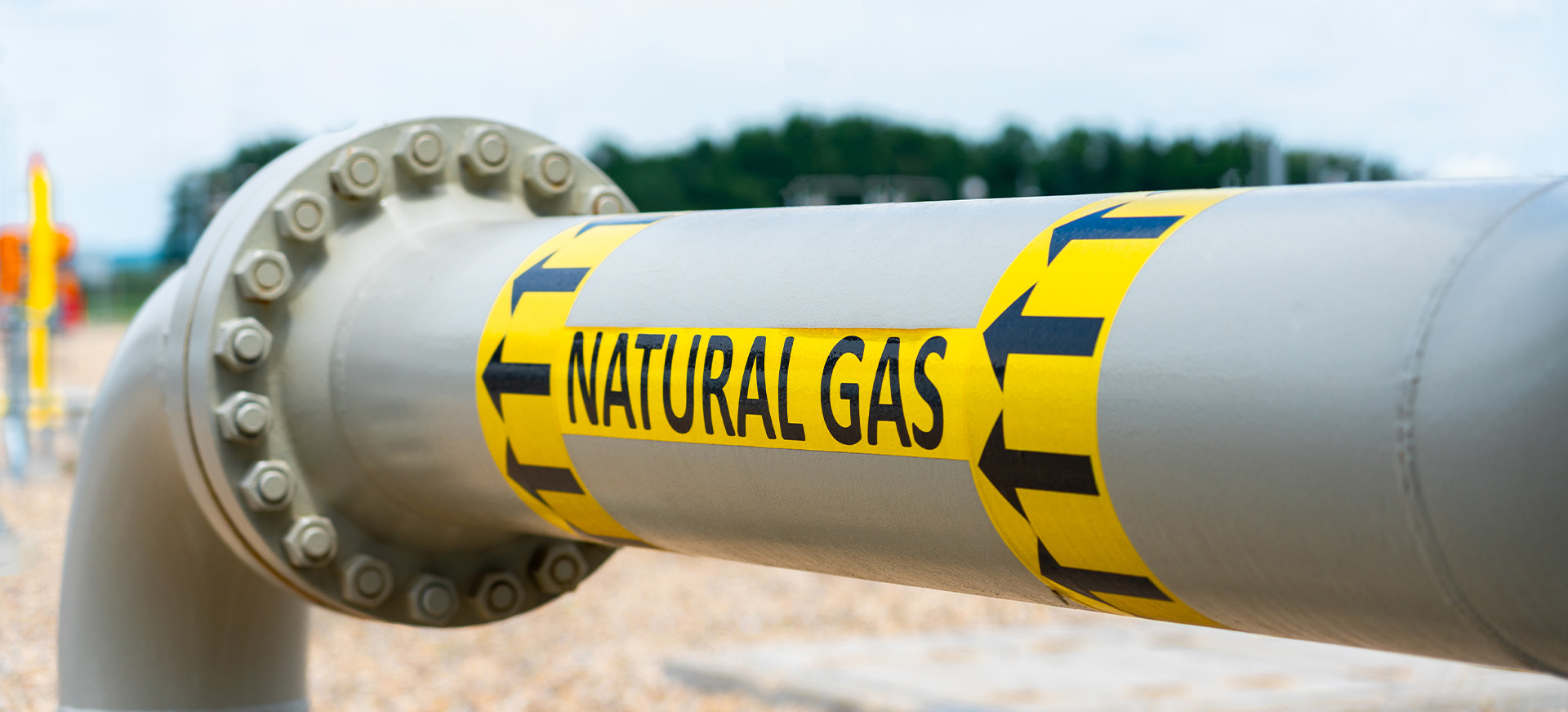
LNG


Liquefied Natural Gas (LNG) is natural gas that has been cooled to an extremely low temperature of around -162 °C, converting it into liquid form. Unlike its gaseous state, LNG occupies nearly 600 times less volume, allowing for convenient storage and long-distance transport.
This makes LNG an ideal solution for international energy trade and for supplying areas that are not accessible via pipelines. LNG is a nearly pure fuel with low sulfur content and minimal pollutants, contributing to reduced harmful emissions and environmental protection. Its use enables a reliable, flexible, and environmentally friendly energy supply, making it increasingly popular in industry, transport, and energy production.
Why Use LNG?
LNG is valued for its cost-effectiveness, reliability, and environmental benefits. Its high energy density allows large amounts of energy to be stored in a compact form, making it ideal for remote or isolated locations. LNG combustion is clean, producing significantly lower CO₂, NOx, and particulate matter emissions compared to conventional fossil fuels.
Beyond its environmental advantages, LNG is highly flexible. It reduces transportation and storage costs, extends equipment lifespan, and provides a stable energy supply for industrial and transport applications. These characteristics make LNG a practical, economical, and environmentally sustainable solution for modern energy needs.
Applications of LNG
LNG is used across multiple sectors due to its flexibility and high energy content:
- Industry: LNG powers furnaces, boilers, dryers, and various manufacturing processes in the chemical and food industries. It ensures a stable and economical energy supply while reducing harmful emissions.
- Transport: LNG serves as fuel for trucks, passenger vehicles, ships, and railway locomotives. Replacing diesel and heavy oils, it provides a more environmentally friendly alternative with lower emissions.
- Energy Production: LNG is a flexible energy source for power plants and district heating systems, particularly in areas without access to natural gas networks.
- Agriculture and Rural Areas: LNG is used for operating dryers, heating greenhouses, and supplying heat to remote facilities, offering cost-effective and reliable energy.
Thanks to its wide range of applications, LNG is becoming an increasingly important energy source in modern, sustainable energy systems.
Advantages of Using LNG
The use of LNG offers multiple economic and environmental benefits:
- Cost efficiency: LNG is often less expensive than diesel and heavy oil, especially for large-scale or long-term contracts.
- Clean combustion: Significantly lower CO₂, NOx, and particulate emissions reduce environmental impact.
- High energy density: Maximizes fuel utilization and improves energy efficiency.
- Safe storage and transport: LNG is stored and transported in specialized tanks and containers, meeting international safety standards.
- Flexibility: Suitable for industrial, transport, energy, and remote applications, facilitating the shift from conventional fossil fuels to cleaner energy sources.
LNG Availability – KryoGas
KryoGas is a leading distributor of liquefied natural gas in Serbia, providing complete solutions for industry and transport. The company delivers LNG in specialized tankers directly to customer sites, ensures safe storage and transportation in compliance with international standards, and offers technical support for implementing LNG systems in industrial and transport applications.
These solutions make transitioning to LNG simple and reliable, providing stable and cost-effective energy for a wide range of users.
LNG Pricing
LNG pricing is competitive compared to other fossil fuels, making it an economically viable option, particularly for industrial consumers and transport companies. Combined with high energy efficiency and reduced equipment maintenance costs, LNG represents a long-term, stable, and cost-effective energy solution.
How to Contact Us
You can contact us by phone or through our CONTACT page. We will gladly answer all your questions and provide all necessary information.
FAQ
LNG is natural gas (mostly methane) that has been liquefied by cooling to a very low temperature (-162 °C) for easier storage and transportation. In the industry, it is used as fuel for boilers, furnaces, turbines, and generators, especially in facilities where a gas network is not available.
Before use, LNG goes through a vaporization process in a special vaporizer, where the liquid gas is gradually heated and converted into a gaseous state under controlled pressure, enabling safe and continuous supply to industrial boilers, furnaces, and generators.
Due to the extremely low temperature of LNG (-162 °C), protective equipment must be used, including gloves, goggles, and cold-resistant suits. Additionally, facilities must have leak detectors and ventilation systems to prevent vapor accumulation and reduce the risk of fire or freezing.
LNG can be stored long-term in insulated tanks, but over time, gradual evaporation (so-called 'boil-off') occurs. Industrial facilities use pressure control and vapor venting systems to minimize loss and maintain storage safety.
The main difference lies in their form and temperature: LNG is liquefied natural gas and is used for large volumes in locations without a gas network, while LPG is liquefied petroleum gas (propane/butane), suitable for smaller facilities and easier storage. LNG allows the transport and distribution of large amounts of gas over long distances, which LPG cannot.
LNG is transported by ships, tankers, or rail tank cars in liquid form using insulated tanks. During transport, low temperature and controlled pressure are carefully maintained to prevent evaporation and preserve the gas's energy value until it reaches the industrial facility.
LNG is transported by tankers or ships in liquefied form and stored in insulated tanks. Before use, the gas is gradually vaporized and delivered to industrial boilers, furnaces, or generators through controlled pipelines.

 E-mail
  Linkedin